
Enzyme drain cleaners do work, but only on a narrow job. They use living bacteria or the enzymes those bacteria make to slowly break down organic film such as grease, soap residue and food scraps. They are a maintenance product, not a rescue. A drain that is already stopped, with standing water in the sink, needs mechanical clearing, not a bottle you leave overnight.
That puts them in a different category from chemical drain openers, which act in minutes and carry real safety risks, and from snaking and jetting, which physically remove a blockage. Which tool fits depends on whether you want to prevent a slow drain or fix a stopped one.
What enzyme cleaners are good at
Enzyme products are best used before a drain is bad. Poured into a slow kitchen sink or a bathroom sink with hair and soap film at the start of the day, or at night when the drain sits unused, they work on the sticky layer that coats pipe walls. Used regularly, that can slow the buildup of the film that later catches hair and grease.
They are gentle on pipes, they have no strong fumes, and they are safer to keep around the house than harsh chemical openers. The trade-off is patience. Most need hours, and some call for repeat doses across days before you see a difference. If a drain is only a little slow, that wait may be fine.
What they cannot do
Enzymes will not dissolve a hairball that has hardened, a solid object, a collapsed pipe, tree roots, or a heavy plug of congealed grease. They also do nothing for a clog downstream in a shared stack. If water is standing and not moving, an enzyme product is the wrong tool.
Do they replace regular cleaning
Not for a drain with a long history of trouble. A regular enzyme dose may reduce how often you need service, but a line with scale, offsets or a sag in it still needs periodic mechanical cleaning.
Enzyme, chemical, snake or jet: which fits
Match the tool to the problem, not to the label on the bottle.
| Method | How it works | Best for | Watch out for |
|---|---|---|---|
| Enzyme cleaner | Bacteria or enzymes digest organic film over hours | Prevention and slow drains caused by soap, grease film or light residue | Does nothing for a full stoppage or a solid blockage |
| Chemical drain opener | Strong alkali or acid reacts with the clog and heats the pipe | Rarely the best choice | Burns to skin and eyes, fumes, damage to some pipes, and a hazard for the plumber who follows |
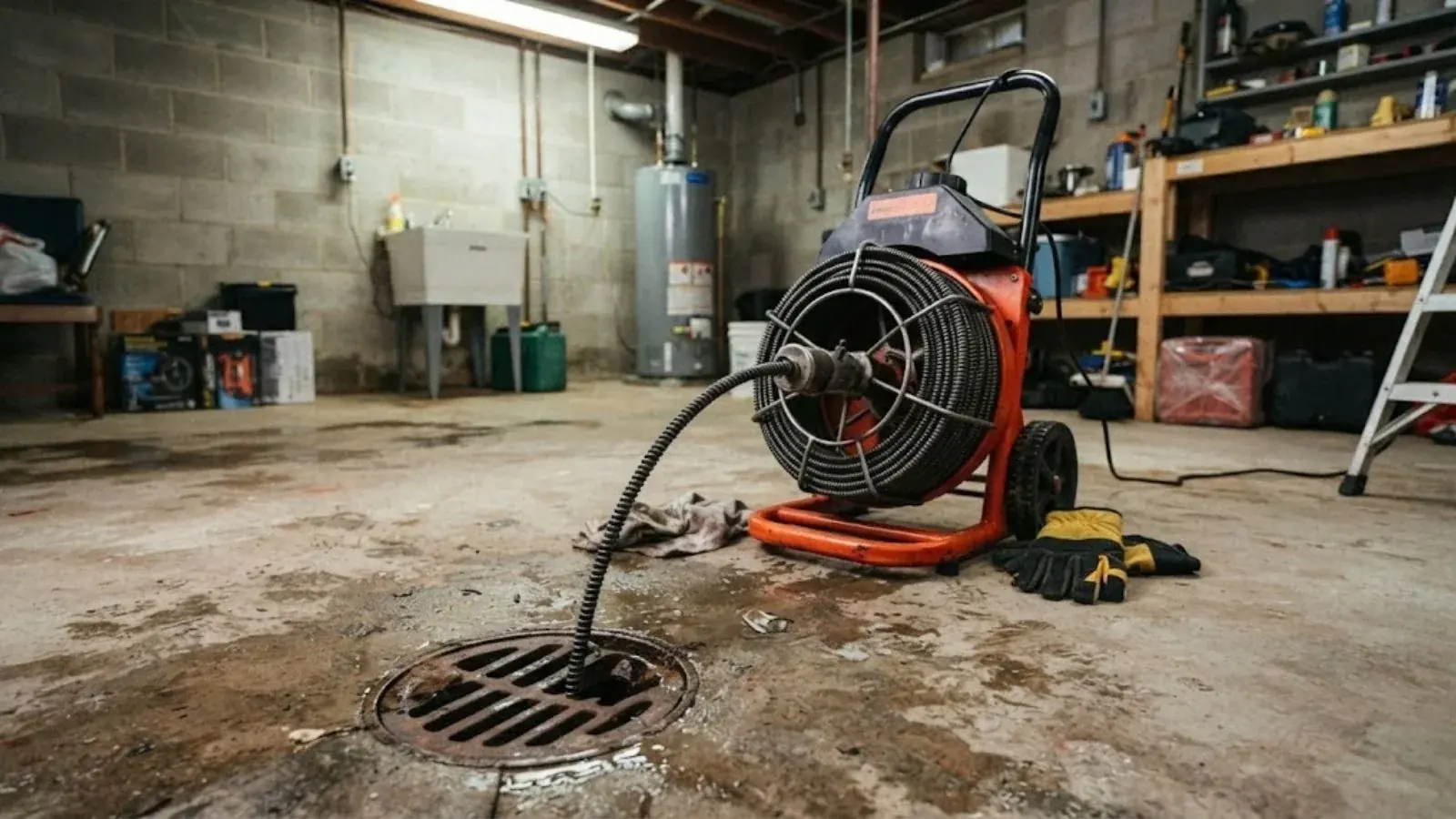
| Drain snake or auger | A cable breaks up or pulls out the blockage | A clog close to the fixture, or hair and debris | Can clear a hole through grease without removing it |
| Hydro jetting | High pressure water scours the whole pipe wall | Grease buildup, scale and recurring clogs in a larger line | Needs a sound pipe and a plumber who can inspect first |
| Camera inspection | A small camera shows what is in the pipe | Repeat clogs and unknown causes | Shows the problem but does not fix it |
For a line that clogs again and again, hydro jetting cleans the pipe wall instead of punching a hole through the clog. For a stoppage you need cleared today, drain cleaning covers snaking and jetting.
The chemical opener warnings, in plain words
Chemical openers are sold everywhere, so they deserve their own warning.
- Never mix productsCombining two drain products, or a drain product with bleach, ammonia or vinegar, can release toxic gas or cause violent reactions. If you used one and it did not work, do not add another.
- Wear eye protection and gloves, and ventilateThese products can burn skin and eyes and give off fumes. Keep children and pets out of the room.
- Do not use them in a standing toilet or fully blocked sinkChemicals sit in the stopped water and can splash back when someone plunges or snakes the drain.
- Pipes can sufferSome products generate heat or are harsh on older metal and plastic pipes and seals. Repeated use may shorten the life of a line.
- Tell the plumber what you usedA drain with chemicals standing in it is dangerous to open. Say so on the phone and keep the bottle handy so we can read the product name.
Grease in condo kitchen lines
Grease is the usual culprit in a kitchen drain, and it behaves differently from hair. Hot and liquid in the sink, it cools and hardens on the pipe wall a few feet down, then catches food scraps and builds a plug. A garbage disposal grinds food into smaller pieces but does nothing to the grease that carries them.
Wipe greasy pans with a paper towel before washing, collect cooking oil in a container for the trash, and run cold water when you use the disposal so fat is broken up and moves along. If your disposal hums and the sink drains slowly, garbage disposal repair may be a separate issue from the pipe. Hot water alone moves grease down the line but does not remove it.
What Hallandale Beach sewer facts mean for kitchen drains
The City of Hallandale Beach's Utilities Division page says the city operates a sewer collection system of 72 miles of sewer lines and force mains with 16 lift stations, and that its wastewater goes to the City of Hollywood's regional treatment facility. Everything you wash down a kitchen drain eventually joins that system, so grease that passes your own trap can still cause trouble farther along.
Census housing tables show about 70 percent of the city's housing units are in buildings of 20 or more units. In these buildings many kitchens share a vertical drain, so one unit's habits can slow every unit below. If your kitchen sink backs up along with a neighbor's, the cause is likely shared, and you should tell management and call a plumber rather than keep treating your own drain.
A sensible routine for a slow drain
This sequence starts gentle and escalates only if each step fails.
Clear the visible debris
Remove the stopper or strainer and pull out hair or food. Rinse them in a bucket, not the sink.
Try a plunger or a hand snake
A cup plunger on a sink with a cloth in the overflow hole, or a small hand snake, often clears a plug near the trap.
Add an enzyme dose for maintenance
Use it as directed on the label, at night, and do not run water through it until the time stated. This helps keep the line clear rather than reopening a stopped one.
Stop if water stands or other drains react
A blockage that raises water in a second fixture is deeper. Stop pouring anything down the drain and call.
Ask for a camera look on repeat clogs
A line that jams every few months has a cause, such as a belly in the pipe or scale, that cleaning alone will not solve.
Questions homeowners ask
Most are used overnight and need several hours with no water running, and some need repeat doses over several days. If a drain does not improve after a couple of doses, the problem is probably a physical blockage.
They are milder than chemical openers and do not rely on heat or strong acids. Check the label for your pipe type, and ask a plumber before using any product on very old or damaged lines.
Do not combine them. The opener can kill the bacteria or enzymes and creates the risk of dangerous mixing. If an enzyme product did not clear a stoppage, call for mechanical clearing rather than adding chemicals.
Jetting scours grease off the pipe wall, while a snake often opens a channel through it. For a recurring grease clog, jetting is the more thorough method, once a camera shows the pipe can take the pressure.
Grease film often builds beyond the trap in the horizontal run. In a condo it can also be a shared line. If cleaning your trap does not help and the slowness comes back, ask for a camera inspection.
We could not confirm a city rule from the Utilities Division page, so the safe answer is to ask the Utilities Division and your building. As a plain habit, keep cooking fat, wipes and coffee grounds out of the drain.
Call if the drain is fully stopped, if more than one fixture is affected, or if the slow drain keeps coming back. A single slightly slow sink can be handled with cleaning and an enzyme product.
Sources and official references
The governing standard for plumbing work in Florida is the Florida Building Code, Plumbing (8th Edition, 2023), with the 9th Edition scheduled to take effect December 31, 2026. This page is general information and not a code interpretation, so confirm requirements with the city Building Division.