To get a clogged toilet flushing again, stop flushing, lower the water if the bowl is high, and use a flange plunger with a firm seal around the drain opening. Push gently first, then pull back hard, and repeat for a minute or two. Most single-toilet clogs give way to a good plunge, and a closet auger handles the ones that do not.
In a Hallandale Beach condo there is one more question to answer first: is it only your toilet, or are other drains acting up too? If the tub gurgles or a neighbor has the same trouble, plunging will not fix it, because the blockage is farther along the building's drain.
The steps below go in the order that protects your floor and your porcelain.
Plunge it the right way, step by step
Technique matters more than force. A plunger that does not seal just moves water around.
Stop and look at the water level
Do not flush again. If the bowl is close to the rim, reach behind the toilet and turn the small shutoff valve clockwise so the tank cannot keep refilling the bowl.
Put on gloves and set down towels
Lay towels or a plastic sheet around the base. Splashing is likely, and clean-up goes faster if the floor is covered.
Choose a flange plunger
A flange plunger has a soft rubber collar that folds out from the cup. It seals the toilet drain better than the flat cup used on sinks. Add water to the bowl if the cup is not covered.
Seat it and push gently first
Press the cup over the drain until it seals, and make the first push easy so the trapped air does not spray water out. Then pull back sharply, because the pull is what loosens a clog.
Repeat for about a minute
Keep the seal and plunge in a steady rhythm. When the water drains with a gurgle, the clog has moved, so pour in a bucket of water to confirm before using the toilet again.
Try a gentle flush only once
If the bowl drains at a normal speed, flush once. If the water rises again, stop and move to the closet auger or call.
Warm water from the tap with a squirt of dish soap can help a stubborn clog slide, and it should sit for 15 or 20 minutes before you plunge again. Use warm, not boiling water, because boiling water can crack the porcelain.
When the plunger fails: using a closet auger
A closet auger, sometimes called a toilet auger, is a short, flexible cable inside a curved tube with a crank on top. The curve is made to follow the toilet's built-in trap without scratching the bowl. Pull the cable back into the tube, set the curved end in the drain opening, and crank clockwise while you push gently forward.
When the cable meets resistance, keep turning, then pull back slowly to bring the clog with it or to break it apart. Flush once to test. If the cable will not advance, or you hear a hard stop that does not give, stop and call a plumber. A toy, a brush head or a broken piece of ceramic does not respond to cranking, and forcing it risks the bowl.
What not to do to a clogged toilet
These shortcuts make the problem worse or put you at risk.
- Do not pour chemical drain openers into the bowlThese products can sit in a stopped toilet instead of draining, and they can splash on skin and eyes when you plunge. A plumber arriving to a bowl full of chemical water must work around it, which adds risk for them too. Never mix two products.
- Do not keep flushingEach flush adds more water to a blocked bowl. If the tank is full, the next flush can overflow onto the floor.
- Do not push a coat hanger or stiff wire down the drainWire scratches porcelain and can lodge in the trap, making the clog harder to remove.
- Do not trust the label on wipesEven wipes sold as flushable can hold together and catch on the pipe wall. Trash can is the safe place for wipes, paper towels and feminine products.
- Do not pull the toilet off the floor on a first attemptRemoving a toilet is a job with a wax seal, bolts and a heavy fixture. A mistake can leave a sewer gas leak or a leaking base.
Match the symptom to the next move
What the toilet is doing tells you a lot about where the blockage is.
| What you see | Likely cause | Try first | Call when |
|---|---|---|---|
| Bowl drains slowly, no other problem | Partial clog in the toilet trap | Flange plunger, then warm water and dish soap | Plunging and an auger both fail |
| Bowl rises and will not drain | Full blockage in the trap or just past it | Shutoff valve, then plunge | Water level does not drop after several rounds |
| Toilet gurgles when the tub or sink drains | Blockage in the branch line that serves the bathroom | Stop using the water on that line | Right away, because plunging will not reach it |
| Several toilets or drains back up together | Clog in the main drain line, or a shared stack in a building | Stop all water use and tell management | Right away |
| Water backs up in the lowest shower or tub when you flush upstairs | Blockage lower in a shared drain | Do not flush, and keep the tub drain covered | Right away |
A blockage that sits past the toilet is a drain problem, not a toilet problem, and that is the job for our drain cleaning service. If the toilet itself has a worn fill valve or a cracked bowl, toilet repair is the page you want.
Signs of a shared stack backup in a condo
Condo drains from many units often join a vertical pipe called a stack. When that stack is partly blocked, the water has nowhere to go and it comes up in the lowest fixtures first.
A ground-floor tub or shower fills when upstairs units flush
Water rising in the lowest drain with no source in your own unit is the classic sign. Stop using water and cover the drain.
Several fixtures in your unit act up at once
A toilet, a tub and a sink that all gurgle or drain slowly together point past your own branch line.
A neighbor reports the same problem
Two units reporting trouble on the same line means the blockage is shared. Notify management right away, then call us.
Sewage smell with no visible leak
A new odor near a floor drain or a tub can come with a stack backup. Keep children and pets out of any standing water.
Hallandale Beach sewer facts that matter when a toilet backs up
The City of Hallandale Beach's Utilities Division page describes a sewer collection system of 72 miles of sewer lines and force mains with 16 lift stations, and says the wastewater goes to the City of Hollywood's regional treatment facility. That system sits downstream of your building's own pipes, so a toilet that will not flush is almost always a problem inside your home or building, not at the street.
The same page lists no dedicated sewer backup line for residents. For a backup that seems bigger than your own plumbing, such as several buildings on a street or sewage at a storm drain, you can call the city's Public Works general number at (954) 457-1616 and tell them what you see.
Census housing tables show about 70 percent of the city's housing units are in buildings of 20 or more units. That is why shared stacks are such a common cause of backups here, and why telling management early, before you pay a plumber for work on a shared line, can save time and an argument over who owes what.
Questions homeowners ask
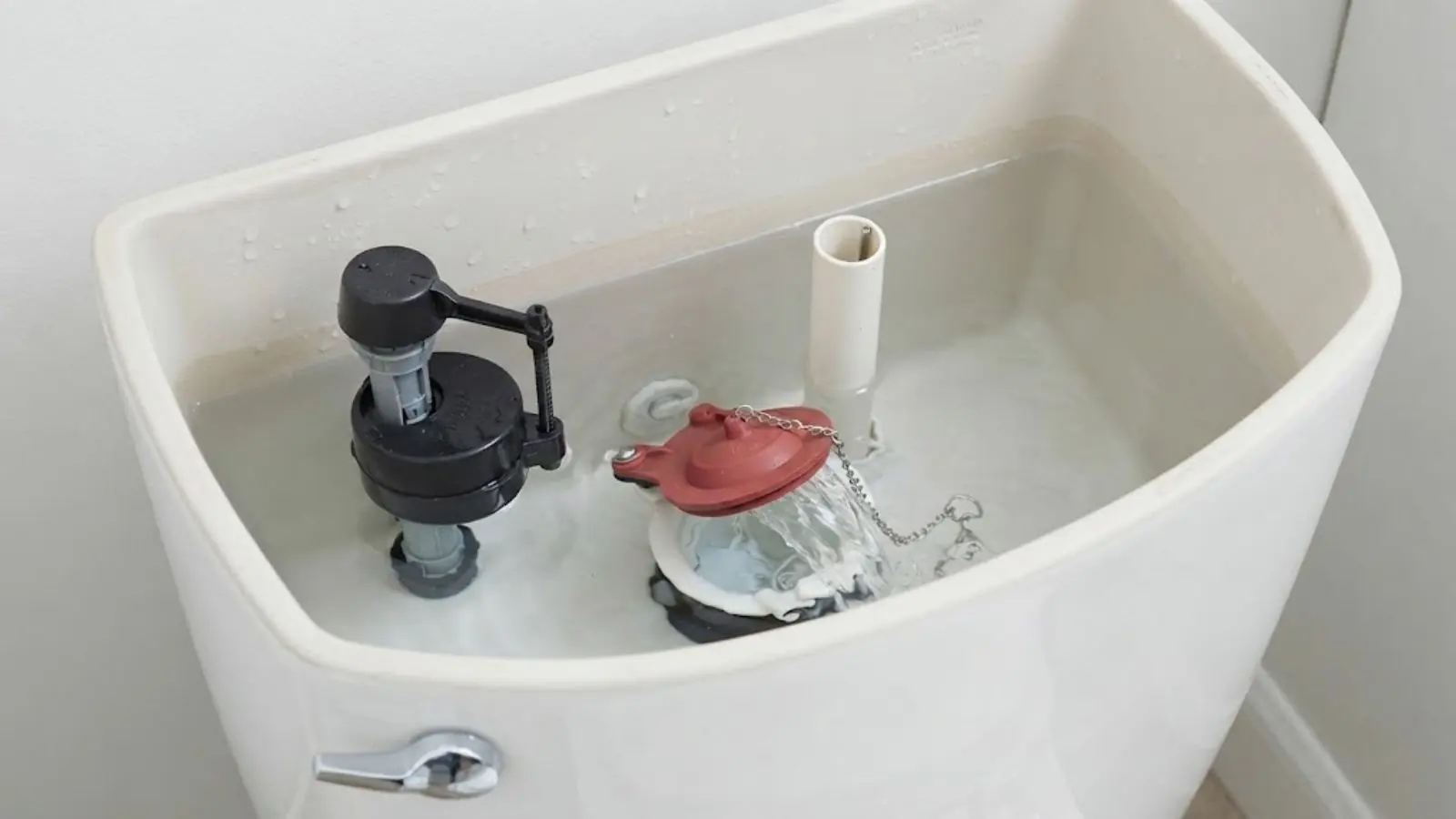
If the bowl is not full and the water barely moves, the cause may be in the tank, such as a flapper that is not lifting, a chain that is too slack, or a low water level. Lift the tank lid and watch what happens when you press the handle. A fill valve or flapper problem is a repair, not a clog.
There is no need to wait if the water is not rising. If it is near the rim, close the shutoff valve and give it a few minutes to settle, then plunge. Do not flush a second time while the bowl is still full.
No. Boiling water can crack a cold porcelain bowl. Use hot tap water instead, with a squirt of dish soap, and let it sit before you plunge.
We advise against it. These products can pool in a stopped bowl, splash when you plunge, and release harmful fumes, and they are hard on pipes and on the person who comes to clear the line later. Mechanical clearing is the safer path.
Tell them which fixtures are affected, which floor, and when it began, and ask whether neighbors on the same line have reported problems. Send photos of any water on the floor. A written note gives you a record if damage and responsibility come up later.
It depends on where the blockage is and what your association documents say. A clog in the toilet or the branch line serving only your unit is usually the owner's job, while a shared stack is usually the association's. A plumber who locates it and writes down where it sits gives you the facts to take to management.
Yes. Our 24/7 emergency line takes overflow and backup calls at any hour. While you wait, close the shutoff valve behind the toilet and stop flushing anything in the building.
Sources and official references
The governing standard for plumbing work in Florida is the Florida Building Code, Plumbing (8th Edition, 2023), with the 9th Edition scheduled to take effect December 31, 2026. This page is general information and not a code interpretation, so confirm requirements with the city Building Division.