Slab leak repair fixes one failed spot in a water line under or inside your concrete floor. Repiping replaces the supply lines through the building with new pipe. If you have had one leak in a fairly sound system, a targeted repair usually makes sense. If you have had a second or third, repiping starts to be the better value.
The choice is not about which job sounds bigger. It turns on the age of the pipe, how many leaks you have had, how hard the lines are to reach, and whether you own a house or a condo unit.
Below is a framework you can use before anyone quotes you, a table that lines up the factors, and the point where one leak becomes a pattern. We also explain what changes when your pipes sit in a building you share with neighbors.
What each job actually involves
A slab leak repair starts by locating the leak with listening gear and thermal imaging, then reaching the pipe. A plumber can open the floor over the spot, reroute the line overhead through walls or attic space, or replace the section underground. The fix touches one line.
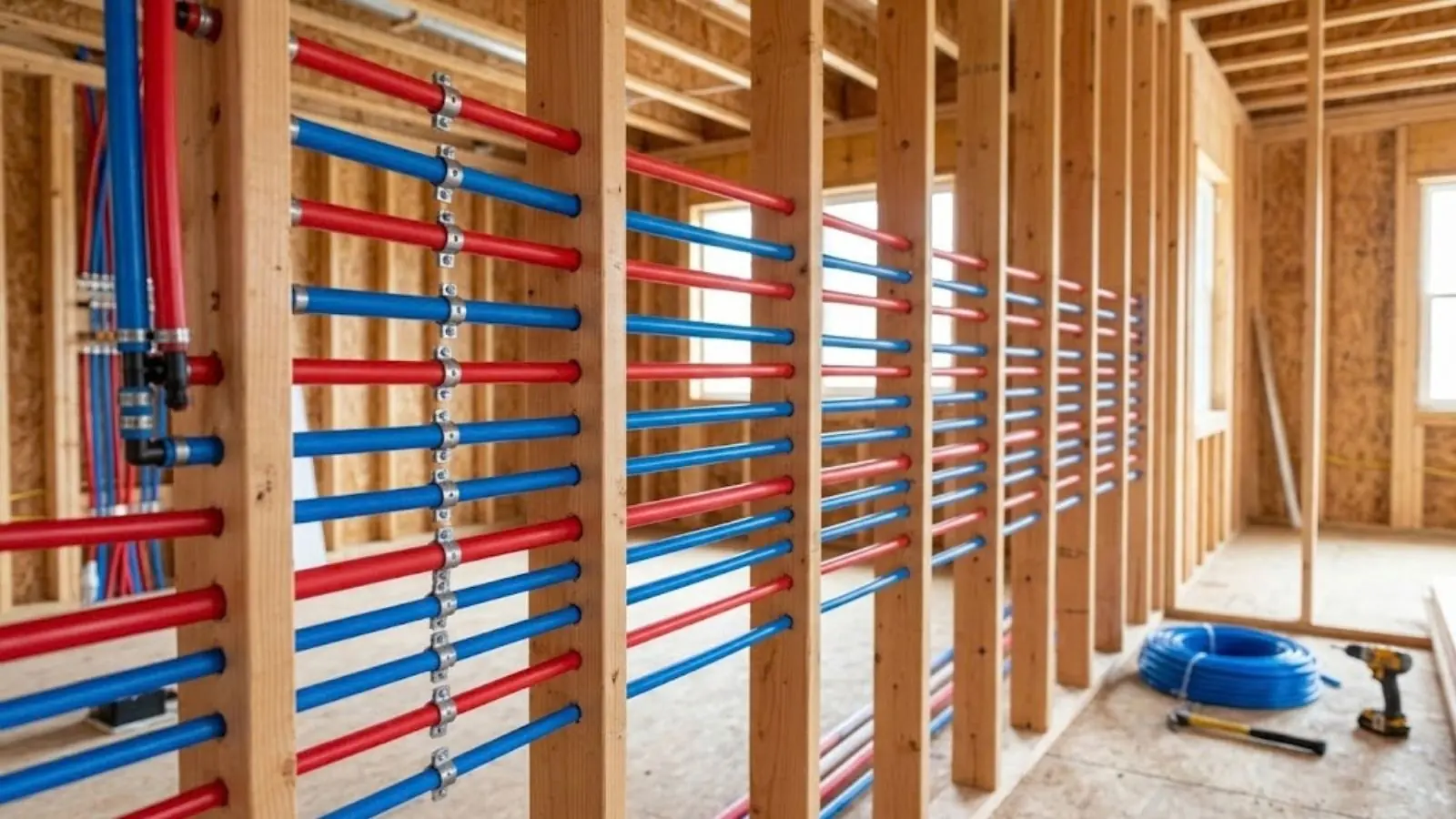
Repiping replaces the supply system with new pipe, usually run through walls and ceilings so the slab stays intact. It covers every fixture, so it takes longer and disturbs more of the home. In return, it removes the aging pipe that keeps failing.
Spot repair in plain terms
You fix the leak you know about. The rest of the old pipe stays in service, with the wear it already has. That is a fair trade if the rest of the system tests sound and the leak had a clear cause.
Repiping in plain terms
You retire the old lines instead of patching them. It makes sense when the pipe itself is the problem, not a single bad fitting. For a closer look at that job, see our repiping service page.
The decision table: age, leaks, access, building type, budget
Use this table as a first pass. If most of your answers land in one column, that column is the likely path. Cost is described by factor, not by number, because no honest price exists until someone has located the leak.
| Factor | Points to spot repair | Points to repiping |
|---|---|---|
| Pipe age | Newer or recently updated lines | Original lines from decades ago |
| Number of leaks | First leak, clear cause | Second or third leak, or several spots |
| Access | Leak is reachable, or an overhead reroute is easy | Lines are buried, tangled or hard to reach |
| House or condo | House with a single, isolated line | Unit in an older building, shared risers nearby |
| Budget factors | Smaller first cost, risk of repeat repairs | Larger first cost, fewer repairs later |
| Disruption | One floor opening or one reroute | Many wall openings and patching |
Pressure testing and leak detection give the table real data. Our leak detection service can tell you whether the rest of the system is holding pressure before you commit to either path.
When one leak becomes a pattern
A single leak is an event. A repeat is information. These are the signs that the pipe, not the spot, is failing.
- A second leak within a short stretch of timeIf a repaired line is leaking again or a nearby line has now failed, the cause is probably the whole run, not bad luck.
- Pinhole leaks showing up in different areasPinholes from the inside out usually mean the pipe wall is thinning along its length.
- Discolored or metallic-tasting water at the tapCorrosion inside old pipe can show up in the water before it shows up as a leak. Ask a plumber to inspect before you assume the source.
- Pressure that fades over monthsBuildup or corrosion narrows the pipe, so fixtures struggle even when nothing is visibly leaking.
- A plumber finding thin or pitted pipe at the repair siteWhen a repair opening shows the pipe is worn on both sides of the leak, patching a few inches rarely holds.
None of these items proves repiping is needed. They are reasons to ask for a full pressure test and a camera or visual look before you pick the cheaper short-term fix.
What Hallandale Beach's building age means for this choice
Census table B25035 lists 1975 as the median year Hallandale Beach homes were built. That means half the housing stock is older than 1975, and the original supply pipe in those buildings has had well over fifty years of service. If your unit was built in that era and has never been repiped, the age column of the table above applies to you.
Census table B25024 puts about 70 percent of units in buildings with 20 or more. In those buildings, your supply pipe may be separate from the building's risers, and who fixes what depends on your association's documents. Permit rules vary, so ask the Hallandale Beach Building Division what applies to your address. Before any work that touches shared walls or floors, check with your association too.
Condo, townhouse or house: who decides and who pays
In a house, the decision is yours and the pipes are yours. In a condo, the answer depends on where the failed line sits. Lines inside your unit are usually your responsibility. Risers, stacks and lines serving several units are usually the association's. Read your declaration, and get the responsibility split in writing from management before you hire anyone.
Tell your association about any slab leak early, even if the repair is yours. Water in a slab can reach the unit below. If your building is planning a riser replacement, coordinate with it, because repiping your unit's branches separately may not make sense if the building is about to redo the main lines. The same question comes up for our neighbors in Pembroke Park plumbing calls, where the Census puts the median build year at 1978.
What drives the cost of each path
For spot repair, the cost factors are how deep or hidden the line is, how much floor must be opened, whether an overhead reroute is easier than digging, and the finish you need restored afterward. For repiping, the factors are the number of fixtures, the size of the unit, how many walls must be opened and patched, and whether the building requires after-hours or scheduled access.
Insurance is a separate question. Policies often cover sudden damage but treat gradual leaks and wear differently, so read your policy or ask your agent. Want your real number for your own home? Call the 24/7 line and describe what you found, and a licensed plumber will explain the options and give a clear price before work starts.
How to decide, step by step
This order keeps you from paying for a repair that the next leak makes pointless.
Confirm the leak is real
Check your meter with every fixture off. A moving dial or leak indicator confirms water is escaping on your side.
Locate it before you cut
Ask for acoustic and thermal detection first. Our slab leak repair service begins with locating the exact spot.
Test the rest of the system
A pressure test on the other lines shows whether they hold. Ask what the plumber sees at the opening, not just what was leaking.
Match your answers to the table
Count which column most rows fall in, and note what your association needs to approve.
Get both options priced
Ask for the repair path and the repipe path in writing, so you can compare factors, not just first cost.
Questions homeowners ask
Yes, when the leak is isolated and the rest of the pipe is in sound shape. A plumber can repair the spot, reroute the line overhead, or replace one section. The question is whether another leak is likely soon.
There is no magic number, but a second leak in the same system is a strong signal. Two leaks in a short time often means the pipe itself is worn, and each new spot repair buys less time.
Usually not. Repiping typically runs new lines through walls and ceilings, which means patching drywall instead of breaking the slab. Your plumber should explain the route before work begins.
Often yes, especially for work that touches shared walls, risers or shutoffs. Ask management for the governing documents and any contractor requirements before you book a visit.
It is context, not a verdict. The Census median of 1975 tells you the average building is old, but your own pipe condition decides. A pressure test and inspection show what your lines are really doing.
Shut off the main supply to stop the water, keep people away from wet outlets, and photograph any damage. If the meter keeps running with the main shut, call us and your water utility.
Sources and official references
The governing standard for plumbing work in Florida is the Florida Building Code, Plumbing (8th Edition, 2023), with the 9th Edition scheduled to take effect December 31, 2026. This page is general information and not a code interpretation, so confirm requirements with the city Building Division.