Emergency sewer line repair in Hallandale is for the backup that keeps returning, the pipe that cracked or collapsed, and the line roots have broken into. Call our 24/7 line, stop using water in the unit, and keep children and pets away from any wastewater while you wait. A line that is physically broken will not stay clear, however many times it is cleaned.
The first job is always a camera. A small waterproof camera on a flexible cable runs through the line and shows cracks, offset joints, sags where water sits, roots at a joint or a section that has collapsed. We then explain the repair choices, which are usually a spot repair, pipe lining or digging and replacing a section.
Many callers describe the same sequence: a clog was cleared, it came back, and a camera showed roots or a broken section. If that is your case, tell the dispatcher what was found before, because it saves time on the repair plan.
Signs that the pipe is damaged and not just clogged
A clog can be cleared. Damage has to be repaired. These signs point to damage.
- The backup returns soon after every cleaningRoots, a cracked joint or a belly in the pipe keep catching debris. Cleaning only buys a short break.
- A cable or jetter comes back with roots or pipe fragmentsRoots mean there is an opening somewhere, and pieces of pipe mean part of the wall has failed.
- A damp or sunken patch in a yard or slab with no rainA leaking sewer line can soften the ground above it or leave a wet spot on a ground-floor slab. Keep people off a sinking area.
- A sewer smell outside or inside that does not go awayGas escaping from a cracked line is a different smell than a dry trap. If the trap is full and the odor persists, the line needs a look.
- Drains gurgle and run slow across the whole propertyA partly collapsed line restricts flow along the full run, not at one fixture.
- A camera report from a previous visit shows a defectIf someone already found a crack or offset, bring that report or tell us what it showed. We confirm with our own video.
If you are not sure the line is damaged, our sewer inspection service is the planned way to find out before a backup.
Older buildings, shared lines and what the camera finds
Census data puts the median home in Hallandale Beach at 1975 construction, and about 70 percent of housing units sit in buildings of 20 or more units. Across the country, buildings from that era often have cast iron stacks and clay or cast iron lines below grade, and both can corrode, crack or let roots in at the joints. We cannot say what a given building has until the camera or its records show it.
In large buildings, a repair is rarely just one unit's concern. A failed stack or building lateral serves many units, and the association usually decides on the repair. We document what the camera shows so management has footage and a location, not a verbal description.
The city system on the other side
The City of Hallandale Beach Utilities Division runs sewer collection with 16 lift stations and 72 miles of sewer lines and force mains, and the city sends the flow to Hollywood's regional wastewater treatment facility. The city's page does not say where its responsibility stops and a property's starts, so ask the Utilities Division or your association before you assume who pays.
Permits for sewer work
Digging or replacing a section of sewer line usually involves a permit, but permit rules vary, so ask the Hallandale Beach Building Division, which takes permit applications through the city portal. We tell you what the work involves so you can ask the right question.
Lining, spot repair and dig repair compared
There is no single best repair. The right one depends on what the camera found and what sits above the pipe.
| Method | Best when | Trade-off | Disruption |
|---|---|---|---|
| Spot repair (dig) | One cracked or offset section | Needs an open trench to that spot | Medium |
| Pipe lining (cured in place) | Long runs with cracks, root entry or rough walls | Pipe must be clear and roughly round, and it shrinks the bore slightly | Low to medium |
| Pipe bursting | A long run that needs full replacement without a full trench | Needs entry and exit pits and clear access | Medium |
| Full dig replacement | A collapsed or badly sagging line | Opens landscaping, driveways or floors | High |
| Cleaning only | Buildup in sound pipe | Does not fix cracks or root entry | Low |
Lining is not a cure for a collapsed or badly offset line, and digging is not always needed for a cracked one. The footage decides, and we show it to you so the choice is yours.
Sewage is backing up and the line may be broken
A broken sewer line can stop service to a whole unit. Here is what to do first.
Sewage is rising in a tub, shower or floor drain
Stop all water use, including flushing. Every use sends more wastewater toward the lowest opening.
A section of yard or floor is sinking or wet
Keep people and pets off the area. A leaking line can wash out the soil below, and the ground may not hold weight.
The backup came back right after cleaning
Tell the dispatcher what was cleaned and when. A repeat backup points to damage, and we plan for a camera and a repair option on this visit.
Several units are affected
Call management as well as us. A broken shared line is the association's repair, and every unit on it is waiting.
Emergency service is available after hours, and when a line is slow but not overflowing, we book same-day appointments when available. We stabilize the backup first, then plan the repair.
How a sewer repair gets planned and done
We never recommend a repair we have not seen on camera. Here is the usual sequence.
Clear the line enough to inspect
A camera cannot see through a packed line, so we cable or jet the blockage first if the backup is active.
Camera the full run
We record the pipe from the access point to the connection, mark depth and location with a locator and note every defect.
Review the footage with you
We show you the cracks, roots or collapse, explain what failed and describe lining, spot repair and dig options with the trade-offs.
Set up and repair
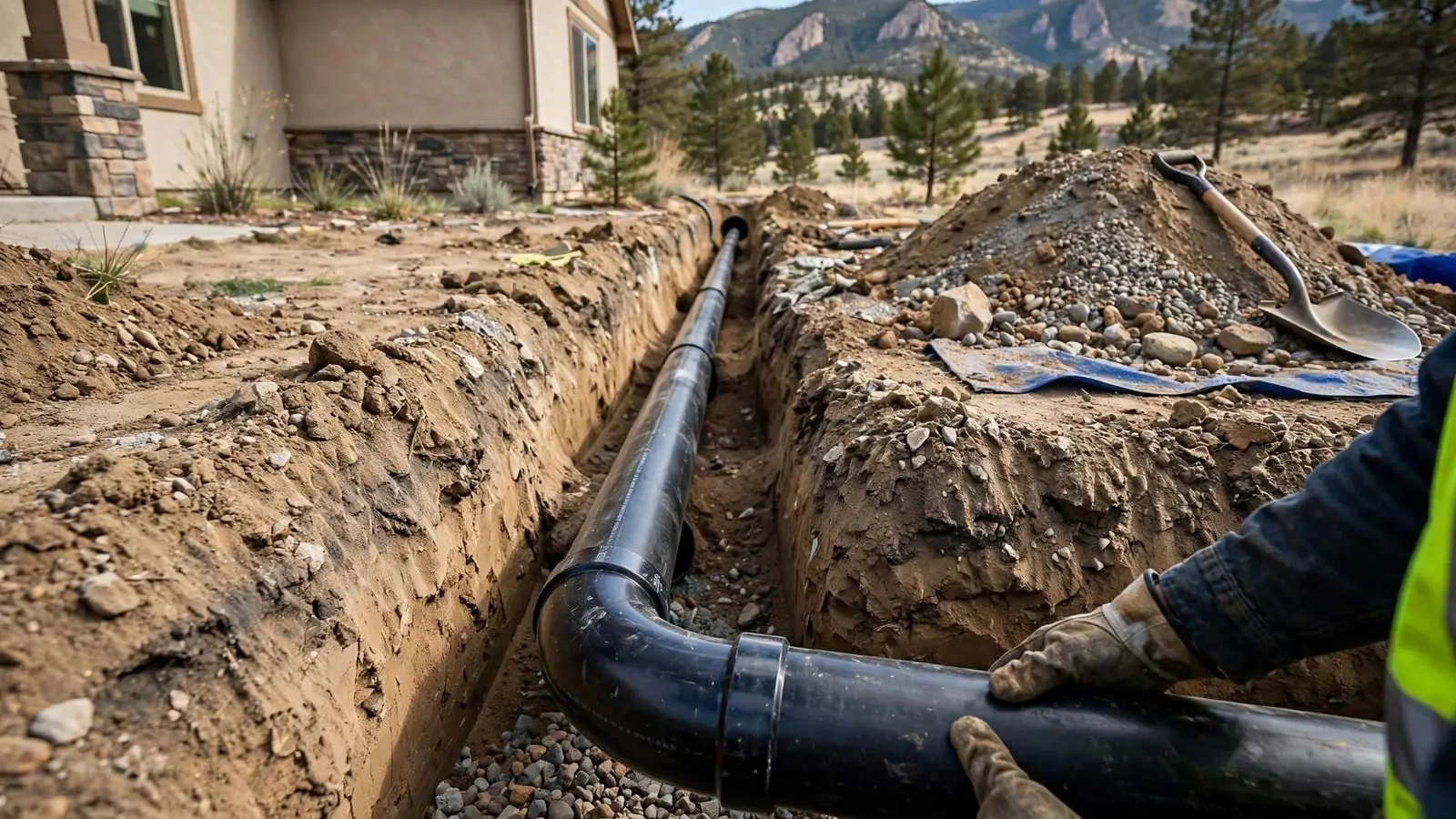
Spot repairs open a trench to the defect. Lining pulls a resin-soaked liner through the pipe and cures it in place. Larger jobs may involve pits and a replacement run.
Camera again and restore service
A final video confirms the repair and that the line runs full bore. We then explain restoration of anything that was opened.
What decides the cost of sewer line repair
Sewer repair prices vary a great deal, so a number given before a camera is a guess. You get a clear price before work starts, once we know what is wrong.
Homeowner policies may cover sudden damage but often exclude slow root and wear damage, and condo policies split shared lines differently. Ask your insurer and association before work. Want your real number? Call the 24/7 line.
Before you commit to a repair plan
Ask to see the camera footage and the location of every defect, and ask what happens if you only clean the line. A good plan covers what failed, what each repair involves and what could come back.
For clog-related backups, see sewer line cleaning and hydro jetting. We also dispatch to Pembroke Park and nearby towns if you are just outside Hallandale Beach.
Questions homeowners ask
Yes. Our line is open 24 hours a day, every day, including holidays. We stabilize an active backup first by clearing the line, then camera it and talk through the repair. Planned repair work can be booked as a same-day appointment when available.
Sometimes. Pipe lining pulls a resin liner through the existing pipe and cures it in place, so only small access openings are needed. It works when the pipe is open and roughly round. A collapsed or badly offset line usually needs digging.
We cannot tell without seeing it. The median year built in Hallandale Beach is 1975, and in buildings of that era cast iron and clay are common in many places, but the camera or the building records are the real answer.
A proper repair seals the opening roots used. A spot repair fixes that spot only, and lining seals the lined run. If roots had many entry points, the camera shows which sections to include.
The footage decides. Cracks, root entry and rough walls in a pipe that is still open suit lining. Collapse, deep offsets and severe sags generally mean replacement of that section.
It depends on where the damage is and your association documents. Pipes inside your unit are usually yours, while shared stacks and building laterals are usually the association's. We give both of you the same footage.
Repairs that open the ground or replace pipe often do, but permit rules vary, so ask the Hallandale Beach Building Division about your address before work.
Sources and official references
The governing standard for plumbing work in Florida is the Florida Building Code, Plumbing (8th Edition, 2023), with the 9th Edition scheduled to take effect December 31, 2026. This page is general information and not a code interpretation, so confirm requirements with the city Building Division.